
Senior Dog Care: 10 Things Every Owner Should Know
If you’re a dog owner, it’s important to know the following when it comes to dogs. As dogs grow older, they will change. They may become slower, sleep more or have difficulty with tasks that were previously simple.
With good senior dog care, you will be able to see these changes and help make life easier for your dog. The age at which a dog becomes a senior is not defined. All aspects of breed, size, health and life expectancy are considered. The American Animal Hospital Association (AAHA) bases its care recommendations on the care needs of each pet.
10 Things All Owners Should Know
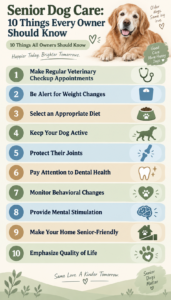
1. Make Regular Veterinary Checkup Appointments
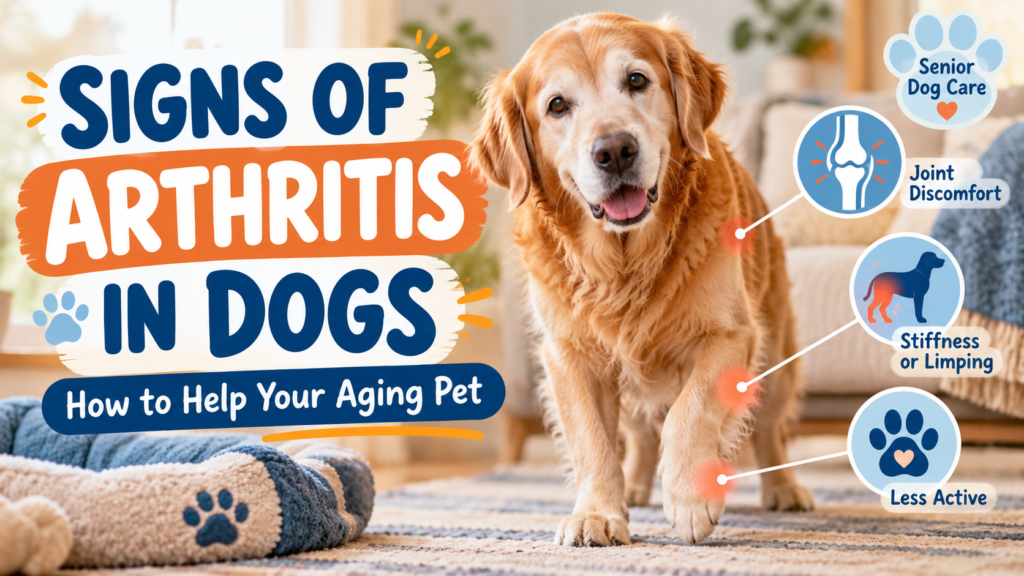
Older dogs may experience health issues but not display symptoms. Dental disease, kidney disease, heart disease and cancer can be detected earlier with regular veterinary visits, as can arthritis.
AAHA Senior Care Guidelines emphasize preventive care and periodic exams for older dogs and cats.
2. Be Alert for Weight Changes
Keep an eye on your dog’s weight. Older dogs put on weight due to lack of physical activity. Some dogs lose weight for no apparent reason; this sometimes indicates that they are unwell. Notice a change? Talk to your vet.
3. Select an Appropriate Diet
As dogs get older, their food needs may also change. Your dog’s calorie and/or nutrient needs may vary by weight, activity and health. There isn’t a single type of diet that is appropriate for every senior dog.
In addition, AAHA mentions that nutrition can be used to manage some conditions like cognitive dysfunction and osteoarthritis.
4. Keep Your Dog Active
Older doesn’t mean slow. Your dog doesn’t have to slow down when they get older. Gentle walks and light play can support both the body and mind.
One study, part of the Dog Aging Project, compared physical activity to cognitive outcomes in over 11,000 dogs and discovered a correlation between increased physical activity and improved cognitive function. This was an observational study, though, so it was not possible to conclude that exercise was responsible for the difference.
5. Protect Their Joints
Walking up and down stairs, jumping and even rising can become challenging for an older dog.
A soft bed, non-slip rugs and ramps to get up or down can assist. If your dog appears to be in pain or has difficulty moving about, have a discussion with your vet about pain management.
6. Pay Attention to Dental Health
Bad breath, trouble chewing, drooling or eating less may point to dental problems.
Older dogs may be more likely to develop periodontal and other oral issues, AAHA notes. These can be detected with regular oral checks.
7. Monitor Behavioral Changes
Behavior can change with age too. Your dog may end up being disoriented, restless at night, nervous or begin to have accidents at home.
Dogs with these symptoms may sometimes be associated with canine cognitive dysfunction. Studies suggest that when it comes to dog cognitive aging, it’s crucial to distinguish normal aging from changes brought on by health issues.
8. Provide Mental Stimulation
Older dogs still need mental activity. Play with simple training, sniffing games, food puzzles or gentle play.
In 2024, researchers determined that physical and cognitive interventions had an impact on behavior and engagement in healthy senior dogs.
9. Make Your Home Senior-Friendly
Little things can make a big difference. Use rugs on slippery floors and ensure that water and food are readily available. Whenever possible, limit unnecessary steps up and down.
AAHA recommends making it easy for senior animals to stay comfortable and have good traction, along with comfortable padding.
10. Emphasize Quality of Life
Notice what you see around you in everyday situations. Does your dog have a healthy appetite? Moving comfortably? Sleeping normally? Still enjoying favorite activities?
Being able to monitor both the good and bad days will make it easier to notice if gradual changes occur.
Good senior dog care is not only about adding more years. It’s also about having a pleasant and comfortable time through those years.
Final Thoughts
For older dogs, just a little extra senior dog care is required. Continue veterinary appointments, monitor weight, modify feeding and activity as necessary and modify the environment to facilitate mobility at home. Above all, pay attention to the subtle variations. They can matter.
References





1 comment
Furrbe Design
https://www.youtube.com/@Furrbe